Critical Ages for Participating in Extracurricular Activities
September 02, 2025
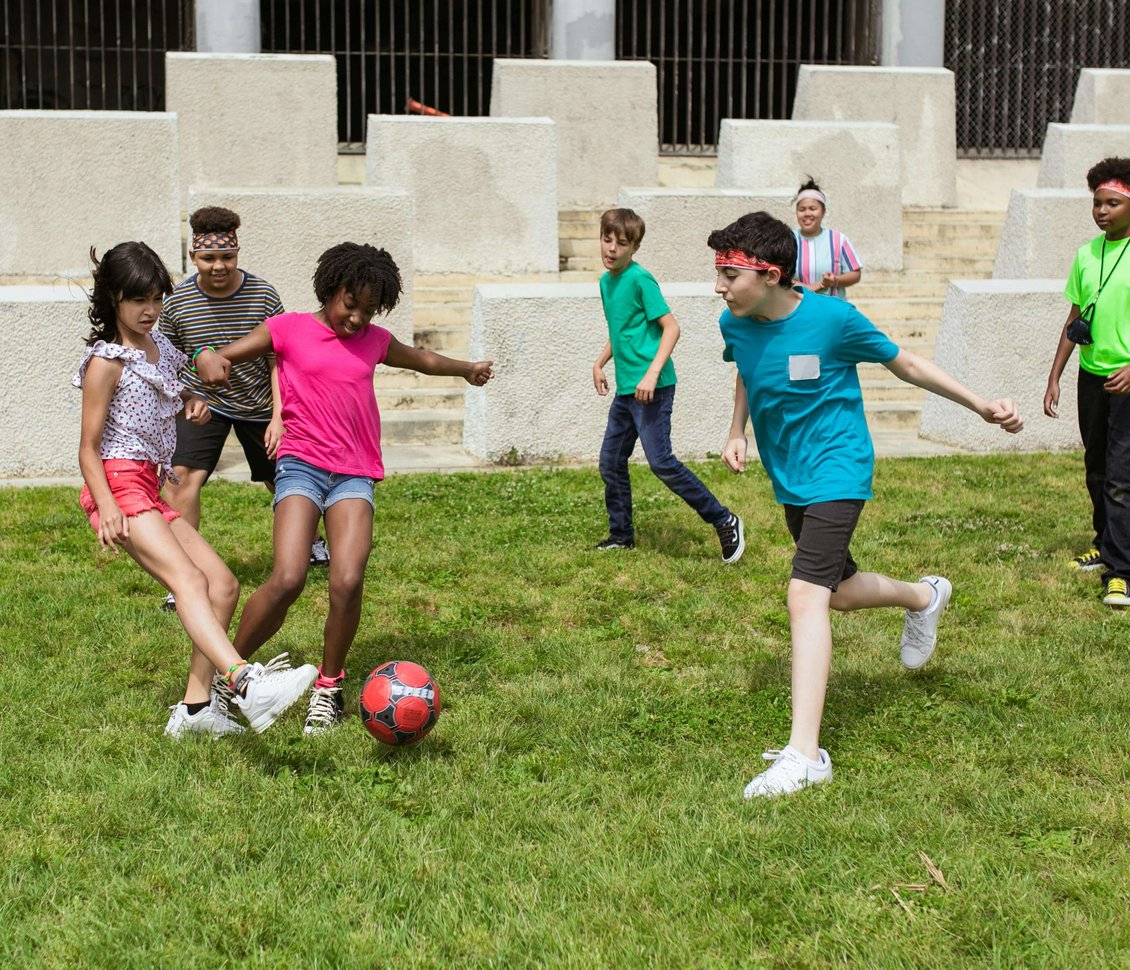


Did you know that different ages come with their own "critical periods" when certain activities really benefit them the most?
These are moments when their brains, bodies, and social lives are perfectly primed for learning and growth. Let’s break it down by age group and see how to make the most of each stage.

Early Childhood (Ages 3–6)
Why This Age Matters:
This is the time when your little one’s brain is developing at lightning speed. They're figuring out how to move their bodies, play with others, and understand the world around them.
Best Activities:
- Dance, music, and art to help with creativity.
- Swimming and basic team sports (like soccer) for motor skills.
- Play-based learning groups that let them explore freely.
Why It’s Great:
- They start building motor skills and coordination.
- It’s their first taste of teamwork and social interactions.
- They begin developing confidence and a sense of achievement through simple activities.

Middle Childhood (Ages 6–12)
Why This Age Matters:
At this stage, your kiddo is starting to get a stronger sense of who they are and what they like. It’s the perfect time to help them explore different interests and develop a bit of discipline.
Best Activities:
- Team sports (basketball, soccer) or individual sports (gymnastics, martial arts).
- Creative outlets like theater, music lessons, or art classes.
- Academic clubs (think chess, STEM, or science fairs)
Why It’s Great:
- It’s all about learning teamwork and discipline, plus they start figuring out how to manage their time.
- They build strong friendships and practice social skills.
- It boosts their self-esteem, and they start developing a sense of belonging.
- It’s a great time to experiment with different hobbies to discover what they're really passionate about.
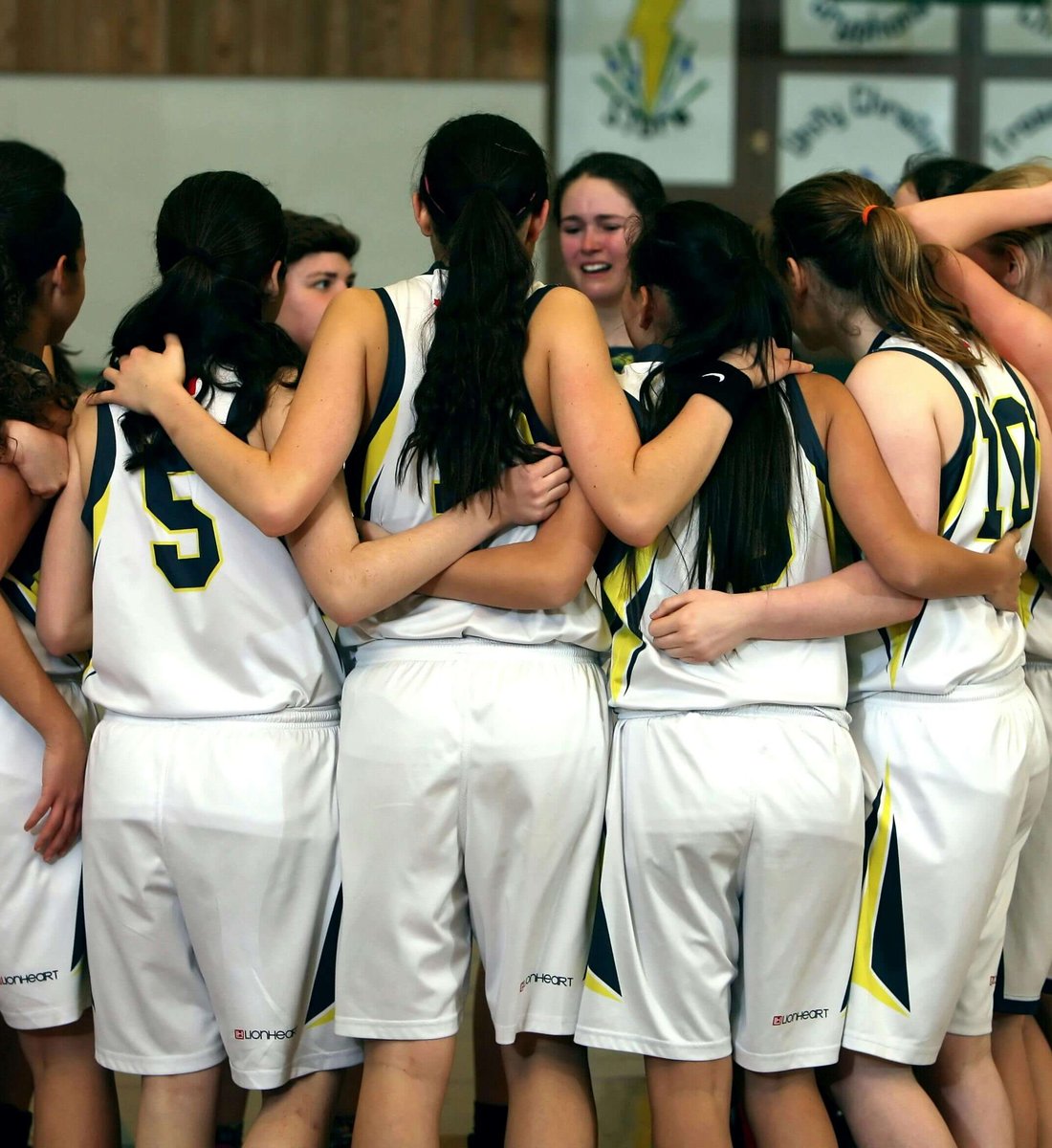
Adolescence (Ages 13–18)
Why This Age Matters:
Teen years are huge for figuring out who they want to be and how they’re going to get there. Structured activities during this stage help give them stability, plus they offer chances to develop leadership skills.
Best Activities:
- Leadership roles like student council or debate teams.
- Competitive sports and physical fitness programs.
- Volunteer work, community service, and internships to explore career options.
- Creative outlets like writing, music bands, or drama clubs.
Why It’s Great:
- Teens develop leadership skills, learn how to collaborate, and manage their emotions better.
- They get stress relief and emotional regulation from staying busy with something positive.
- It sets them up for success in college, career opportunities, and overall personal growth.
- Plus, it looks great on those college applications or résumés!

Young Adulthood (Ages 18–25)
Why This Age Matters:
While this age might not be the first thing we think about when we talk about extracurriculars, it’s actually the perfect time to solidify interests, build connections, and set up for a career.
Best Activities:
- Internships, work placements, or even volunteer work that aligns with their interests.
- University clubs, sports leagues, or academic societies.
- Community service initiatives to continue growing as a person.
Why It’s Great:
- It’s a time for networking, mentorship, and making professional connections.
- They get to keep developing their personal skills and figure out what excites them for the long haul.
- And of course, it’s a great way to align hobbies with potential career paths.
Key Things to Keep in Mind Across All Ages:
Developmental Needs: Pick activities that are a good match for your kid’s physical, emotional, and cognitive stage. Don’t rush it.
Balance is Key: Be careful not to over-schedule them. Time for family, rest, and just goofing around is just as important.
Let Them Explore: The best way to keep your kiddo motivated is to let them explore what they’re genuinely interested in, rather than just signing them up for everything.
Social Growth: Activities that encourage positive friendships, teamwork, and socializing are always a win.

Final Thoughts
By matching the right extracurriculars to each developmental stage, your child can grow in meaningful ways, discover their interests, and develop skills that will set them up for success in the future. The trick is finding that sweet spot where they’re challenged, but not overwhelmed. Ready to help them thrive?
Let Us Help
We started Camps N' Rec Kids because, like so many parents, we were tired of juggling tabs, deadlines, and waitlists just to find great programs for our kids. We knew there had to be a simpler way — ONE place where families could easily discover camps, classes, and fun all year long. What began as a passion project for our own families has grown into a resource for ALL parents.
Find your next camp, activity or birthday party idea for your family at Camps N' Rec Kids!
And don't forget - Sign up for "The Scoop" newsletter (see below) for important dates, new programs and more parenting tips and information.